WATERPROOFING BASEMENT FLOORS
These techniques for waterproofing basement floors are for basement floors that are just damp or moist. If your basement floor has standing water or puddles, click on BASEMENT FLOOR WATERPROOFING for two methods that will fix a really wet basement floor.
An easy solution for waterproofing basement floors
If your basement floor gets damp when it rains, in the spring, or is damp all year long there is one company that has a way of waterproofing basement floors and walls that might be just what you're looking for.
This company is called RadonSeal. They have a wet basement floor sealer that will work on old or new basement concrete floors and walls.
RadonSeal's basement waterproofing sealer penetrates deep inside the concrete (up to 4 inches), and chemically reacts with the lime and alkali in the concrete. The sealer forms a gel and expands inside the concrete filling all the microscopic pores and cracks, it then hardens as a mineral.
This seals the concrete internally against water, water vapor, and even radon gas. The penetrating basement floor sealer combines concrete waterproofing, damp proofing, dust proofing, concrete preservation, and radon mitigation all in one product.
By working inside the concrete, the sealer doesn't leave any color or film on the surface. The internal waterproofing seal is permanent and has no chemical solvents or VOC's.
This waterproofing concrete floor sealer can be sprayed on or rolled on, making it easy to apply yourself. The sealer can be used on poured concrete, concrete blocks, mortar joints in blocks or rock wall foundations.
As with all waterproofing concrete floor coatings or sealers the key to success is in the preparation. Cleaning the basement floor from all dirt and dust is a must.
Removing any loose material from cracks and patching the wide cracks is also very important. Click on EPOXY CONCRETE REPAIR to learn how to patch cracks in floors.
RadonSeal's waterproofing concrete floor sealer can be applied by yourself. Check it out, I'm sure you'll be satisfied, this is the only sealer I use on my jobs. You may be able to save a lot of money if you're willing to invest the time to do it yourself.
Having a damp basement floor will eventually lead to mold, mildew, and fungus problems in your basement. Keeping your basement floor and walls dry will help fix these issues and may even increase the value of your home.
Here's a video showing how easy RadonSeal's waterproofing sealer is to apply.
Hi, I am Mike Day, owner of Day’s Concrete Floors, Inc. in Maine. I've been working with concrete for 40 years now, and this website is where I can share with you all the knowledge, wisdom and expertise I've gained from installing all kinds of stamped concrete, concrete floors, concrete overlays, concrete slabs and also repairing & fixing cracked or spalled concrete.
There’s a lot to cover, so if you have any questions, contact me!
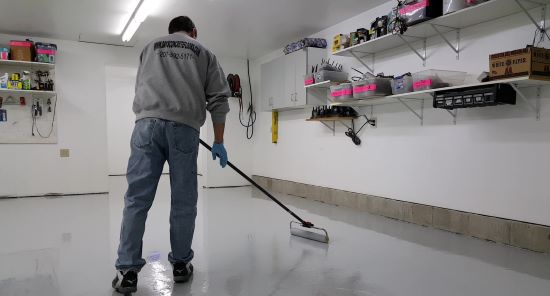
LEARN HOW TO EPOXY A GARAGE FLOOR
FREE CONCRETE FINISHING TRAINING TUTORIAL VIDEO
Recent Articles
-
The tools I use to do concrete work - Use the same tools I do.
 Learn about and purchase the tools I use to do concrete floors, stamping, staining, polishing, countertops, sawing and a whole lot more.
 -
How To Make Concrete Without A Mixer - Mixing Concrete by Hand
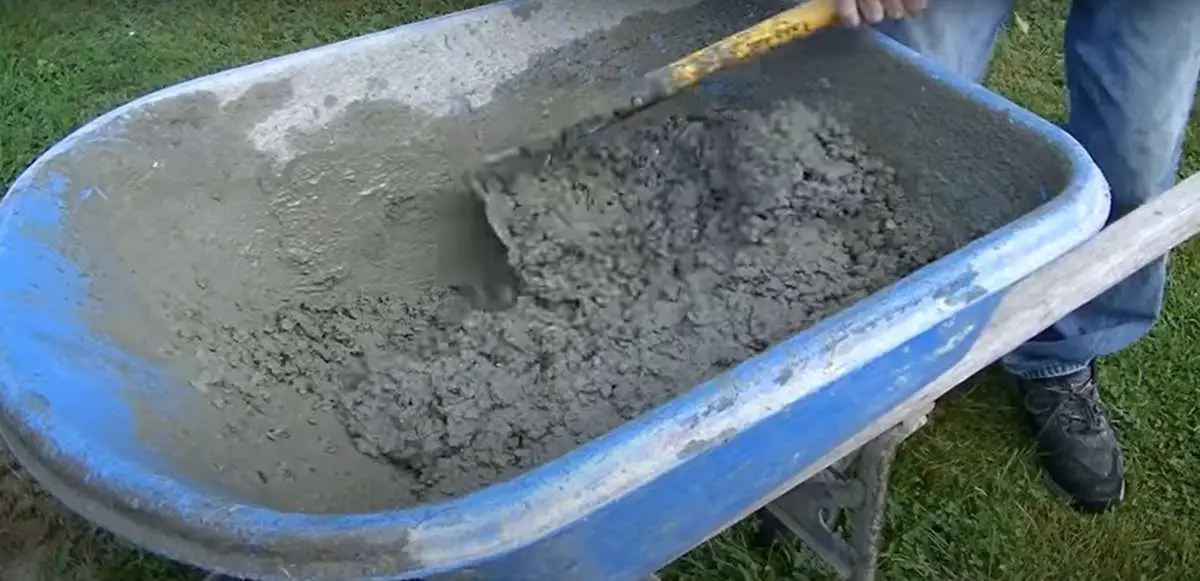 Learn how to make concrete manually without a mixer. Explore simple steps and tips to achieve the right consistency and strength for your construction project.
 -
What are the Correct Concrete Mixing Ratios - Ratio Chart
 The proper concrete mixing ratios are 1:2:3, 1:3:3, 1:2:4 for cement, sand, and stone. Mixing ratios are based on what psi concrete you need. Mixing ratio chart
 -
Concrete Mix Ratios For 3000, 3500, 4000, and 4500 psi concrete
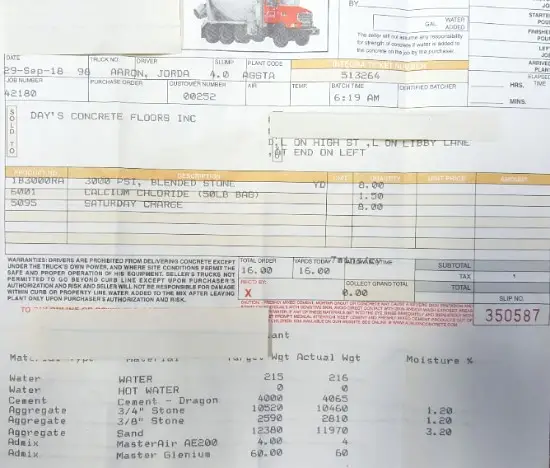 Learn the precise mix ratios for concrete strengths of 3000, 3500, and 4000 psi to ensure durability and stability in concrete construction.
 -
Don't get over charged! Here's my concrete slab cost for 2023
 I'm a concrete contractor that will tell you what a concrete slab will cost. These are my actual prices I charge for 2023 when I quote my customers.