CONCRETE PENETRATING SEALERS
PROS AND CONS
PROS - Concrete penetrating sealers soak into the concrete surface to a depth of 1/8 inch to increase water repellency and stain resistance on porous concrete while remaining breathable so water vapor in the slab can still pass through the slab surface.
Penetrating concrete sealers provide protection without changing the appearance of the concrete. Most topical sealers will darken the surface of concrete, penetrating sealers will not.
During application penetrating sealers for concrete enter the voids and capillary pores at the surface of the concrete. These sealers are usually formulated with silane or siloxane polymers that react with alkaline materials in the concrete to form hydrophobic compounds within the surface pore structure.
The primary function of penetrating sealants is to repel water, salts and chlorides while remaining breathable so water vapor within the slab can evaporate through the surface.
A penetrating concrete sealer can last as long as 10 years before requiring re-application.
CONS - Because concrete penetrating sealants do not leave a film or membrane on the surface, they do not provide any appearance benefits, like darkening colors or glossy shines, and are not as effective as film forming sealers in preventing chemical attack or stain resistance.
Penetrating sealers do not provide any wear resistance to high traffic areas of concrete surfaces, may become slippery when wet and some break down due to UV rays.
For information on other related concrete sealer topics click on the links below.
CONCRETE SEALER AND CONDENSATION PROBLEMS
CONCRETE SURFACE TEMPERATURE CAN CAUSE SEALER PROBLEMS
DEICING SALTS AND CONCRETE SEALER PROBLEMS
WHAT CAUSES SEALER BLISTERS AND BUBBLES?
SEALER SURFACE PREPARATION BEFORE SEALING
IS THERE A TINTED SEALER I CAN USE?
WHAT KIND OF SEALER APPLICATOR SHOULD I USE?
Return from Concrete Penetrating Sealers to Concrete Sealer
Return from Concrete_Penetrating Sealers to Everything About Concrete Home Page
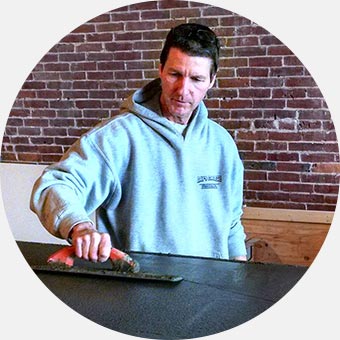
Hi, I am Mike Day, owner of Day’s Concrete Floors, Inc. in Maine. I've been working with concrete for 40 years now, and this website is where I can share with you all the knowledge, wisdom and expertise I've gained from installing all kinds of stamped concrete, concrete floors, concrete overlays, concrete slabs and also repairing & fixing cracked or spalled concrete.
There’s a lot to cover, so if you have any questions, contact me!
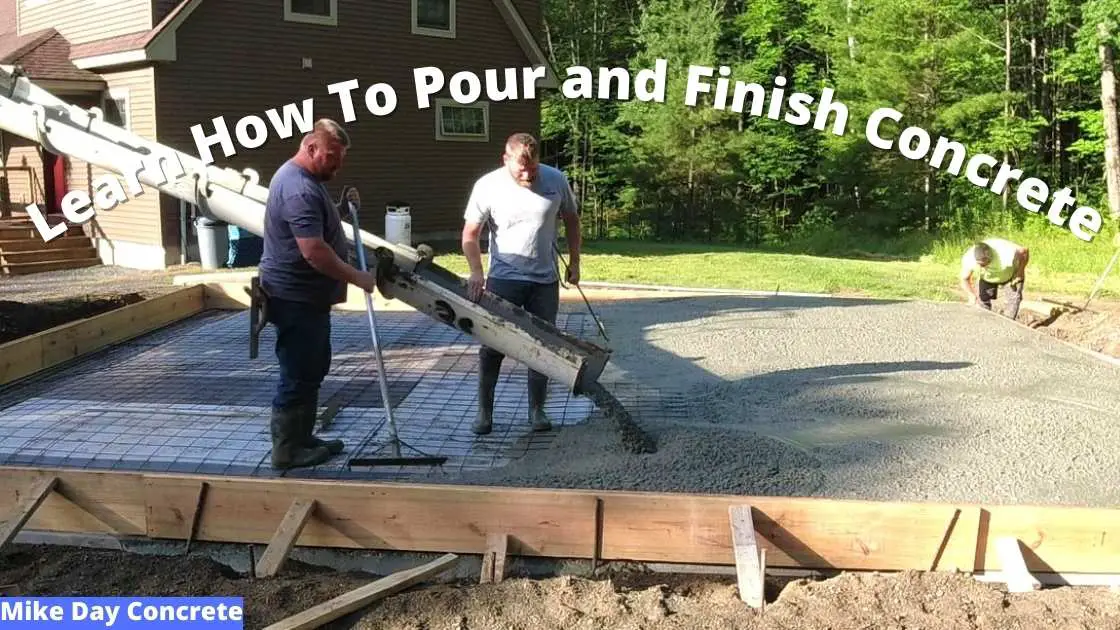
LEARN HOW TO EPOXY A GARAGE FLOOR
FREE CONCRETE FINISHING TRAINING TUTORIAL VIDEO
Recent Articles
-
Don't get over charged! Here's my concrete slab cost for 2024
 I'm a concrete contractor that will tell you how much a concrete slab will cost. These are my actual prices I charge for 2024 when I quote my customers.
 -
The tools I use to do concrete work - Use the same tools I do.
 Learn about and purchase the tools I use to do concrete floors, stamping, staining, polishing, countertops, sawing and a whole lot more.
 -
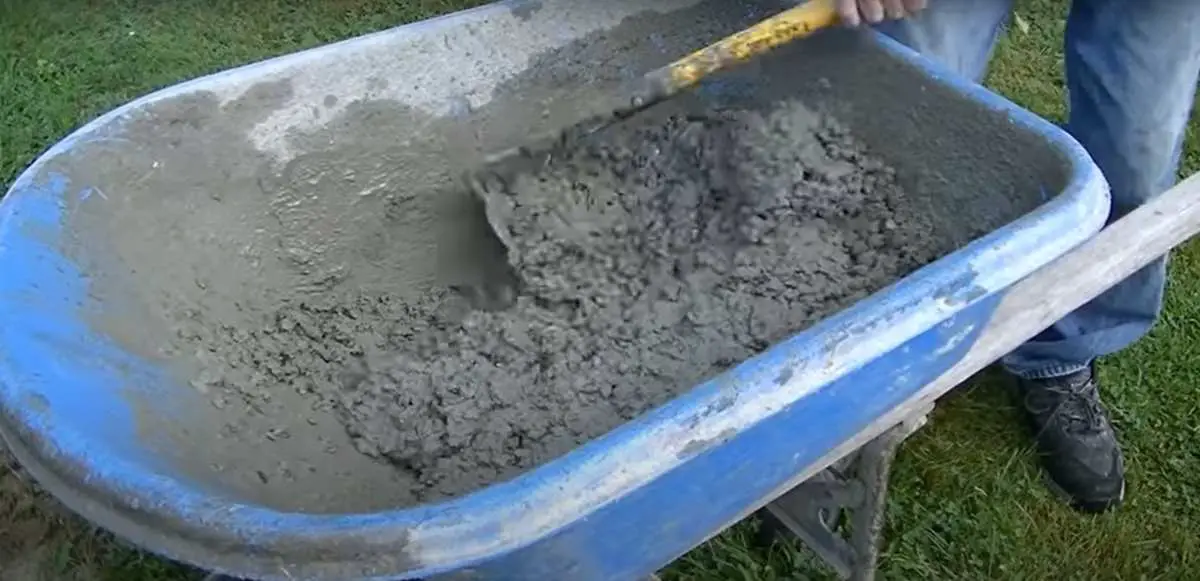
How To Make Concrete Without A Mixer - Mixing Concrete by Hand
 Learn how to make concrete manually without a mixer. Explore simple steps and tips to achieve the right consistency and strength for your construction project.
 -
What are the Correct Concrete Mixing Ratios - Ratio Chart
 The proper concrete mixing ratios are 1:2:3, 1:3:3, 1:2:4 for cement, sand, and stone. Mixing ratios are based on what psi concrete you need. Mixing ratio chart
 -
Concrete Mix Ratios For 3000, 3500, 4000, and 4500 psi concrete
 Learn the precise mix ratios for concrete strengths of 3000, 3500, and 4000 psi to ensure durability and stability in concrete construction.